Chiang Mai Temple Dress Code & Etiquette (2026): What to Wear
The Chiang Mai temple dress code is simple: cover your shoulders and knees, take your shoes off before entering any hall, and avoid see-through, very tight or revealing clothes. Loose trousers or a long skirt with a T-shirt are perfect; a light scarf or sarong in your bag solves most problems. Rules are the same at Wat Jed Yod, the Old City temples and Doi Suthep, and stricter at the White Temple in Chiang Rai.
Temples in Chiang Mai are active places of worship where monks live, study and pray. A few simple habits make your visit respectful and relaxed. Here is what to wear, how to behave and the special rules for monks, Buddha images and photography.
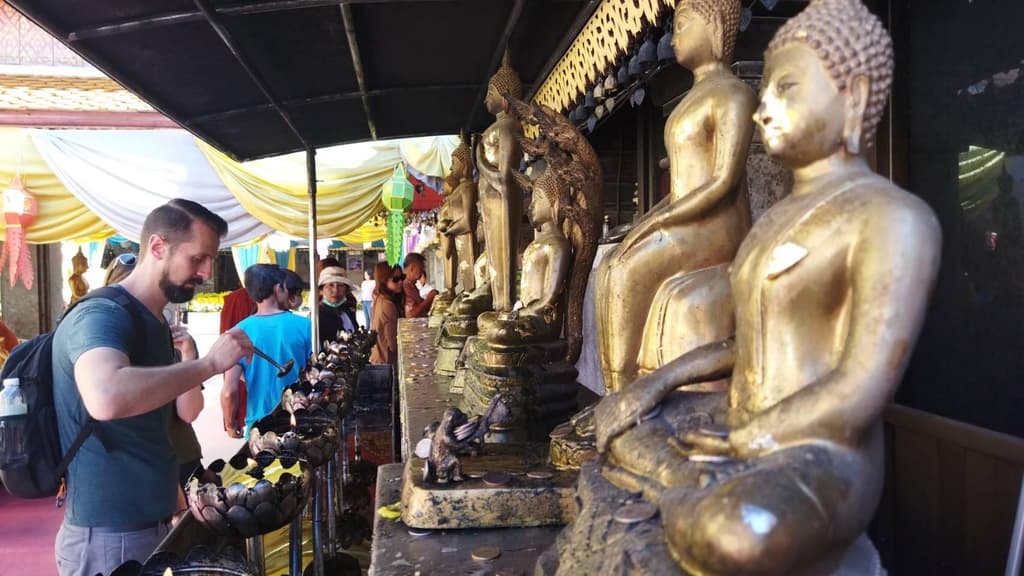
What to wear: quick guide
| OK | Not OK | |
|---|---|---|
| Top | T-shirt, shirt or blouse with sleeves | Vest tops, spaghetti straps, crop tops, bare shoulders |
| Bottom | Trousers, skirt or shorts below the knee | Short shorts, mini skirts, ripped jeans with big holes |
| Fabric | Loose, opaque cotton or linen | See-through, very tight or swimwear |
| Shoes | Sandals or slip-ons you can take off quickly | Lace-up boots (fine, but slow) |
| Cover-up | Scarf, shawl or sarong in your bag | Draping a scarf just over the head |
The same rules apply to men and women. Some big temples – especially the White Temple in Chiang Rai – turn away visitors who are not covered, or ask them to rent or buy a cover-up. Smaller temples like Wat Jed Yod rarely check, but the rules still apply.
Shoes off
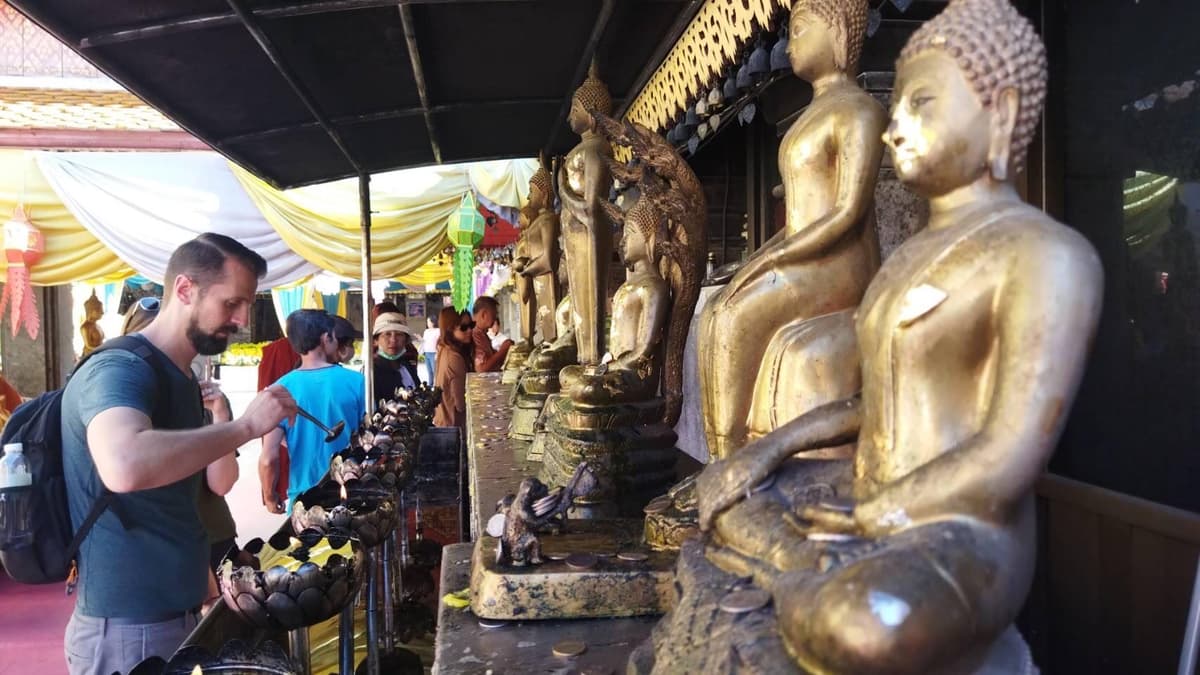
Take your shoes off before entering a vihara, ubosot or any building with a Buddha image. Look for a pile of shoes or a rack at the steps. You can keep them on in the open grounds and on the terrace around most chedis – follow the signs and what Thai visitors do. At Doi Suthep, shoes come off before the upper terrace. Socks are fine, but floors can be hot at midday, so slip-on sandals are easiest.
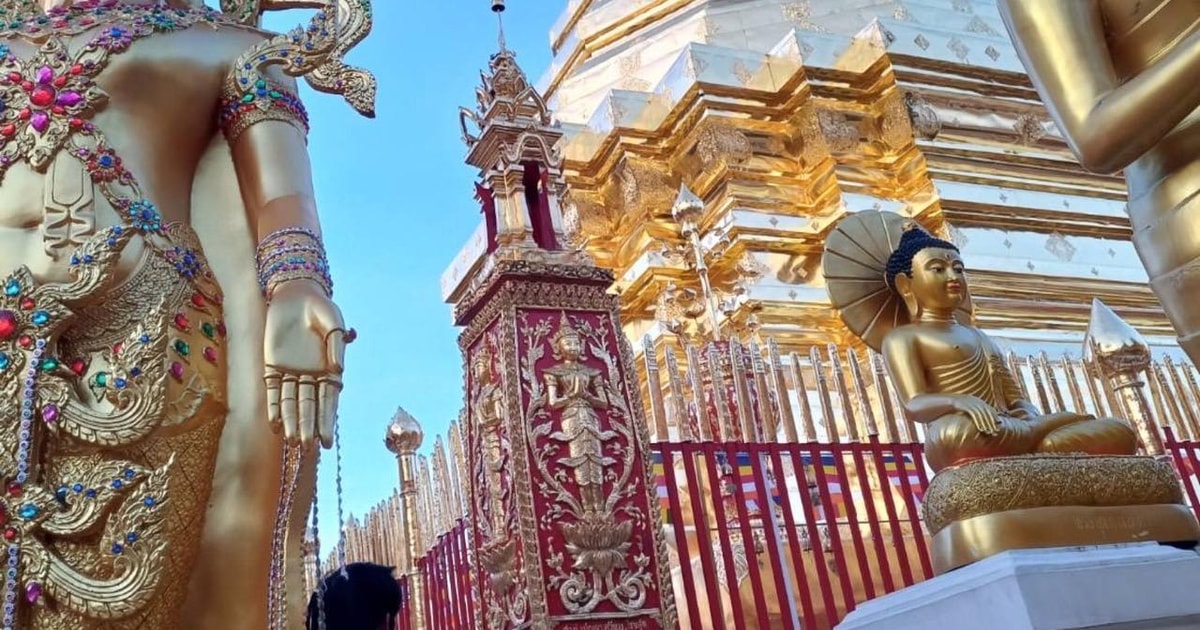
Inside the temple halls
- Feet: never point your feet towards a Buddha image, a monk or another person. Sit with your legs tucked to the side or kneel.
- Head height: keep your head lower than a Buddha image when you can; don’t stand over people who are praying.
- Thresholds: step over the raised threshold of a doorway rather than standing on it.
- Quiet: speak softly; switch your phone to silent.
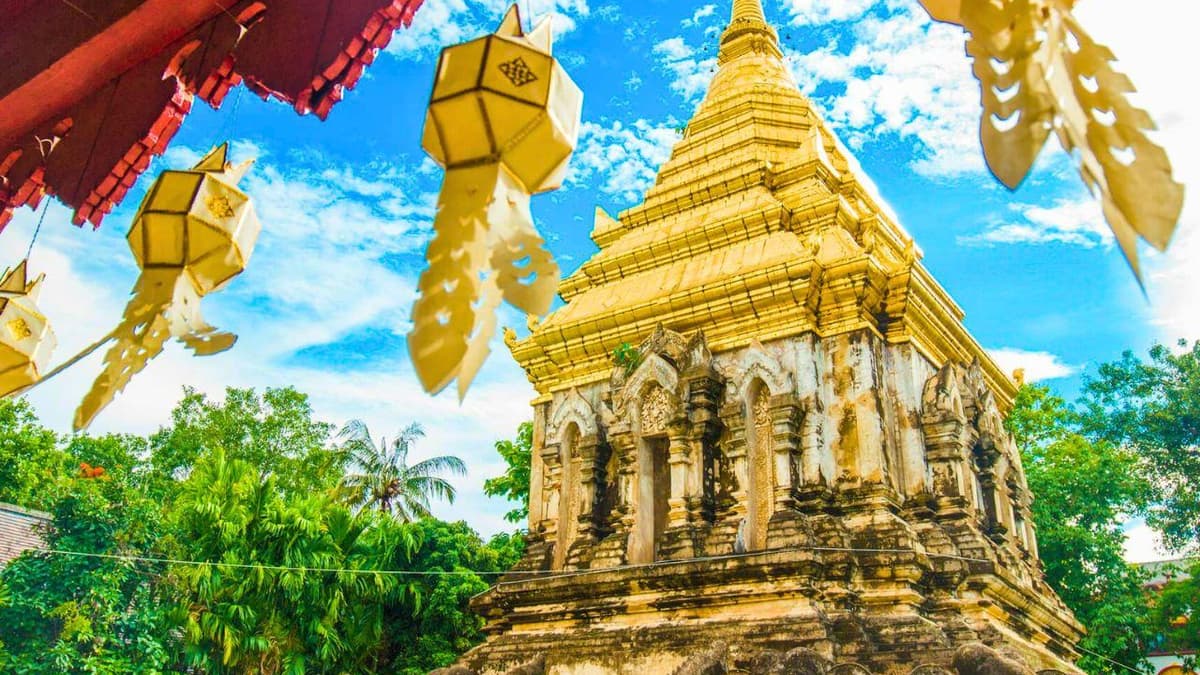
- Touching: don’t touch Buddha images, murals or offerings, and never climb on chedis or ruins – including the old brick at Wat Jed Yod.
- Walking around a chedi: if you join Thai visitors, walk clockwise, keeping the chedi on your right.
Monks
Monks in Thailand follow strict rules. Women should not touch a monk, sit right next to one or hand something to him directly – place it down, or let a man pass it on. On public transport, don’t sit next to a monk if you are a woman. Everyone should avoid sitting higher than a monk. Saying “sawasdee kha/khrap” with a small wai (hands together) is a polite greeting.
Want to ask questions? Monk Chat sessions at Wat Chedi Luang and Wat Suan Dok are made for exactly that – monks practise English and visitors learn about Buddhism. It is a lovely experience; dress modestly and check session times locally.
Photography
- Photography is fine in most temple grounds. Inside halls, look for no-photo signs.
- Don’t pose with your back to a Buddha image in a disrespectful way, or with your feet towards it.
- Ask before photographing monks or people praying, and never use flash during a ceremony.
- Don’t fly drones without permission.
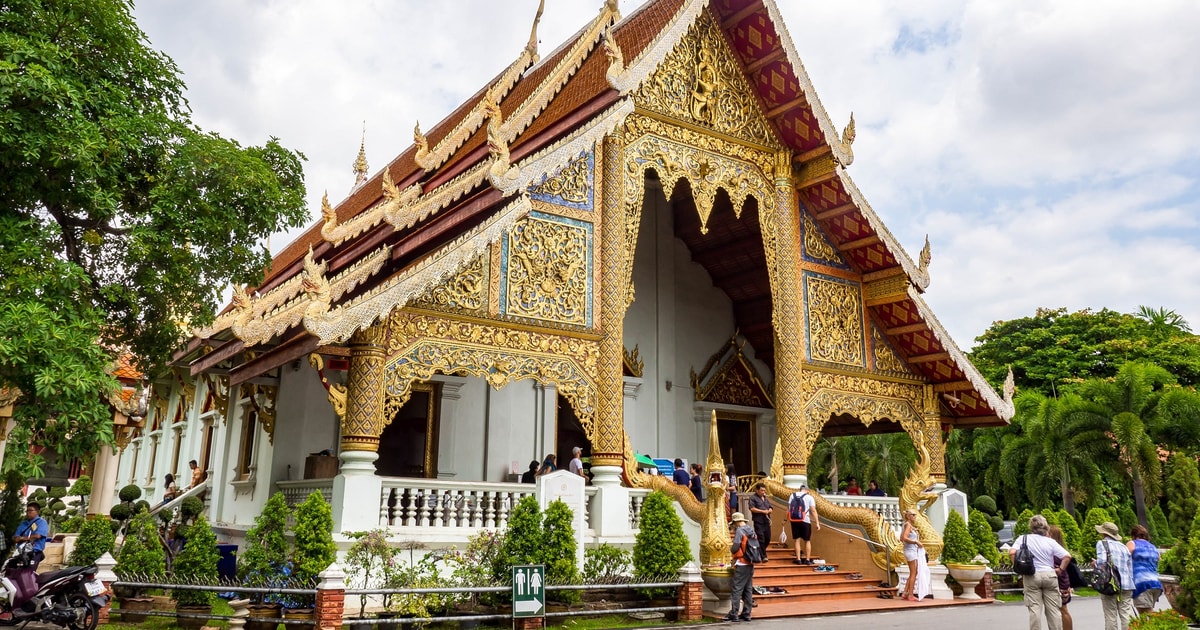
Buddha images, tattoos and souvenirs
Thailand takes the image of the Buddha seriously. Buddha heads are not decorations, and tattoos of the Buddha are frowned upon – cover them if you have one. Buying Buddha statues as souvenirs is common, but treat them with respect and check export rules for antiques and religious images before you buy.
Women-only restrictions
In some northern Thai temples, women are not allowed inside certain areas – the ubosot at Wat Sri Suphan (the silver temple) or the inner area of some chedis. Signs usually explain this in English. Respect them; you can still view from outside.
Money and donations
Many temples are free. Some popular ones charge foreigners a small fee – about 30 baht at Doi Suthep and around 40–50 baht at Wat Chedi Luang (Nov 2026, check locally); Wat Jed Yod was free when we checked. Carry small notes and coins for fees and donation boxes.
Guided tours help
If you feel unsure, a guide explains customs as you go. The Historic Temples and City Guided Walking Tour (from about $21) covers Buddhist culture as well as architecture; the Spiritual Sunrise tour at Doi Suthep (from about $55) includes alms-giving and meditation, with the guide showing you how. The Lotus Folding & Wat Chiang Man workshop is new, with no reviews yet. See all options in Chiang Mai temple tours.
Old City temples with a guide, 2–3 hours.
Live tours from GetYourGuide
Prices and availability load from GetYourGuide once you allow it.
The mountain temple – sunrise, sunset or by red truck.
Live tours from GetYourGuide
Prices and availability load from GetYourGuide once you allow it.
Lit-up temples, chanting monks and Lanna food.
Live tours from GetYourGuide
Prices and availability load from GetYourGuide once you allow it.
You slip off your sandals on the warm steps and walk in barefoot on cool tiles. Inside it is dim and smells of incense and jasmine; an older woman kneels in front of the golden Buddha, folds her hands and bows three times. You sit to one side, feet tucked behind you, and for a minute nothing moves but the candle flames.
Before you go
Read our Wat Jed Yod guide for the temple itself, see the best temples in Chiang Mai for where to go next, and check the best time to visit Chiang Mai – long sleeves are easier in the cool season.
FAQ
Clothes that cover your shoulders and knees, such as a T-shirt and loose trousers or a long skirt. Avoid see-through or very tight clothes. Only if they reach below the knee. Short shorts are not appropriate; carry a sarong just in case. Yes, before entering any hall with a Buddha image. You can usually keep them on in the open grounds. No. Women should not touch monks or hand things to them directly. Place the item down or let a man pass it on. It is rarely checked, but the same rules apply: covered shoulders and knees, shoes off in the halls, and no climbing on the ruins.What should I wear to temples in Chiang Mai?
Can I wear shorts to temples in Chiang Mai?
Do I need to take off my shoes at Chiang Mai temples?
Can women touch monks in Thailand?
Is the dress code at Wat Jed Yod strict?